



Description
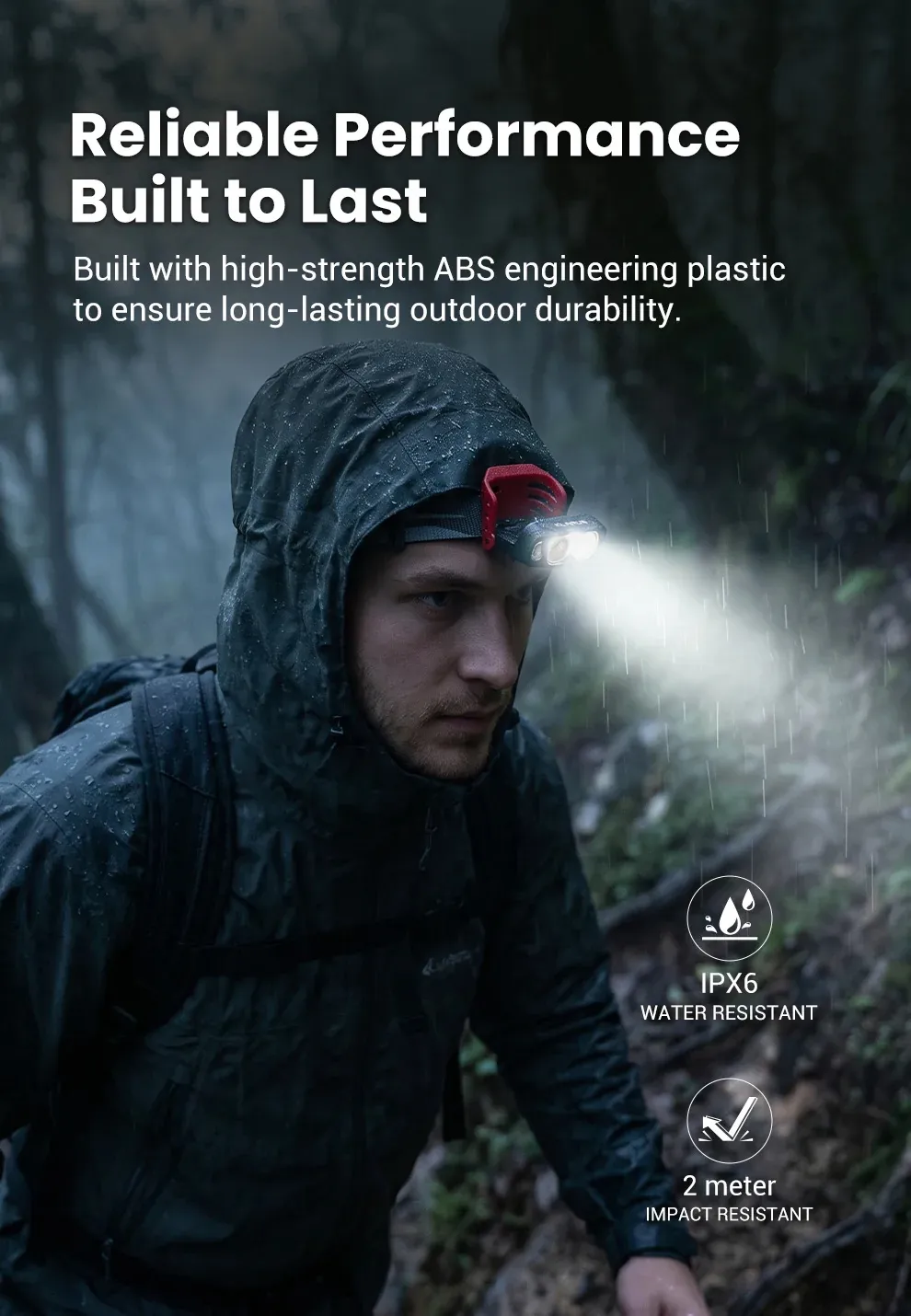
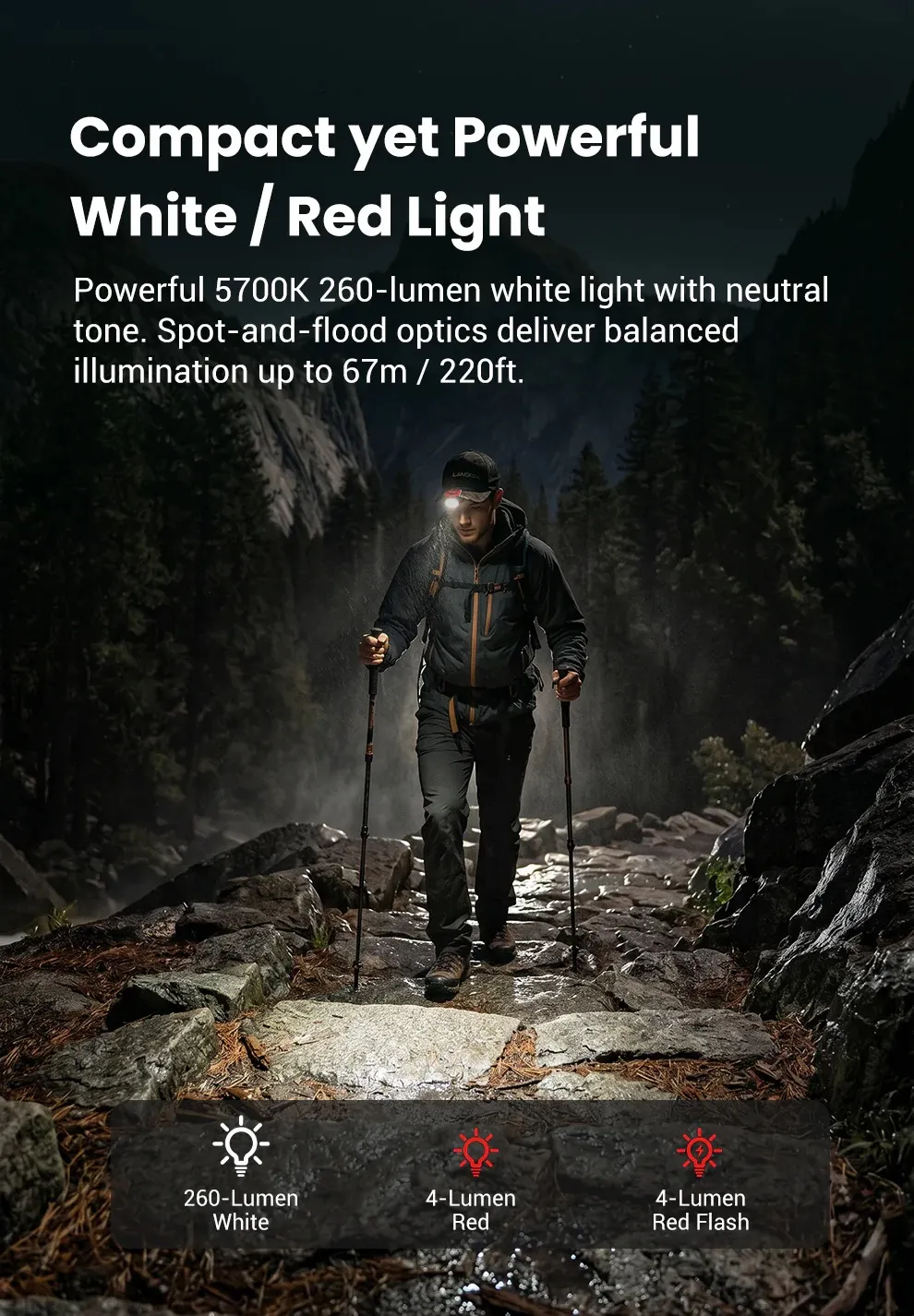
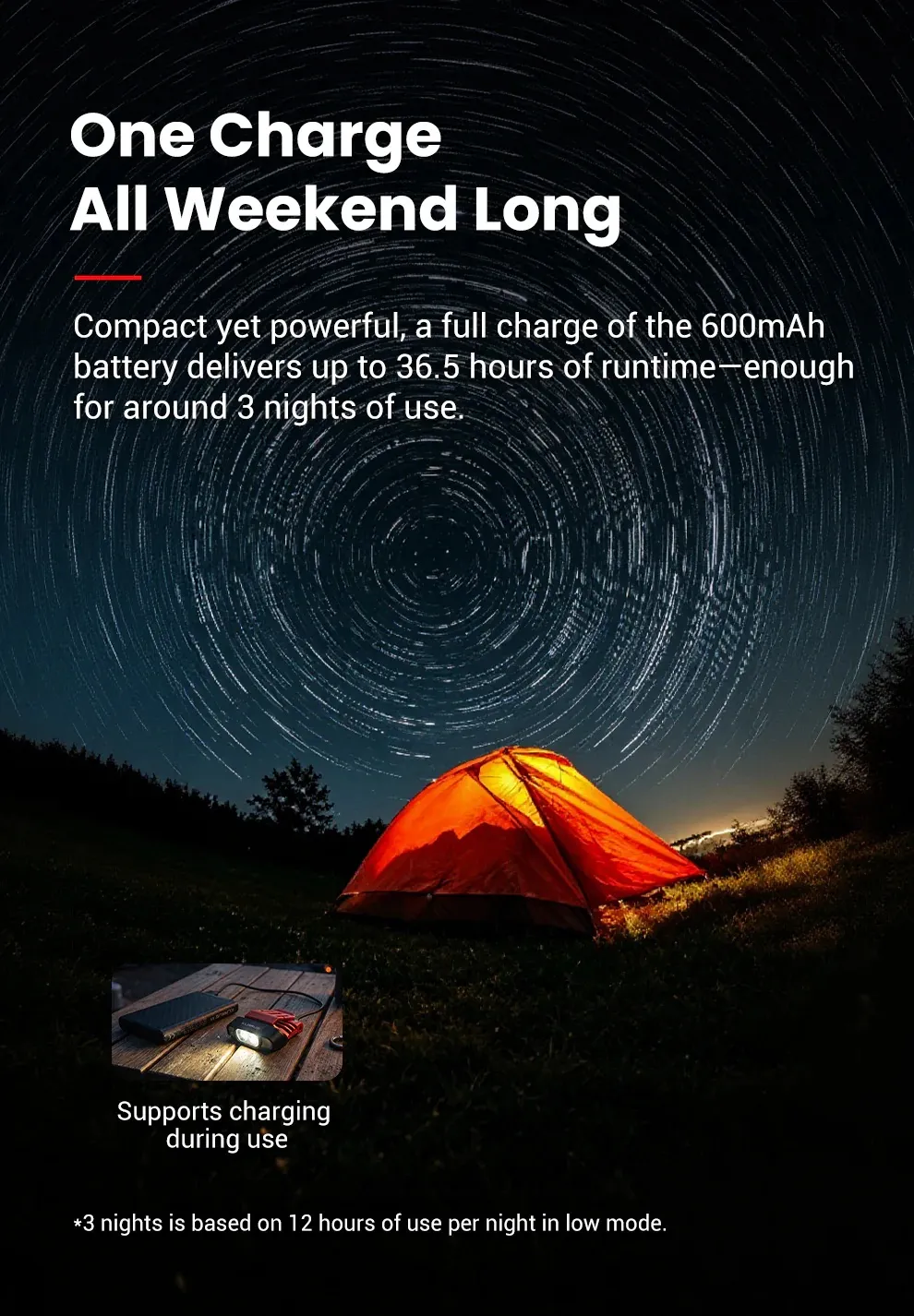
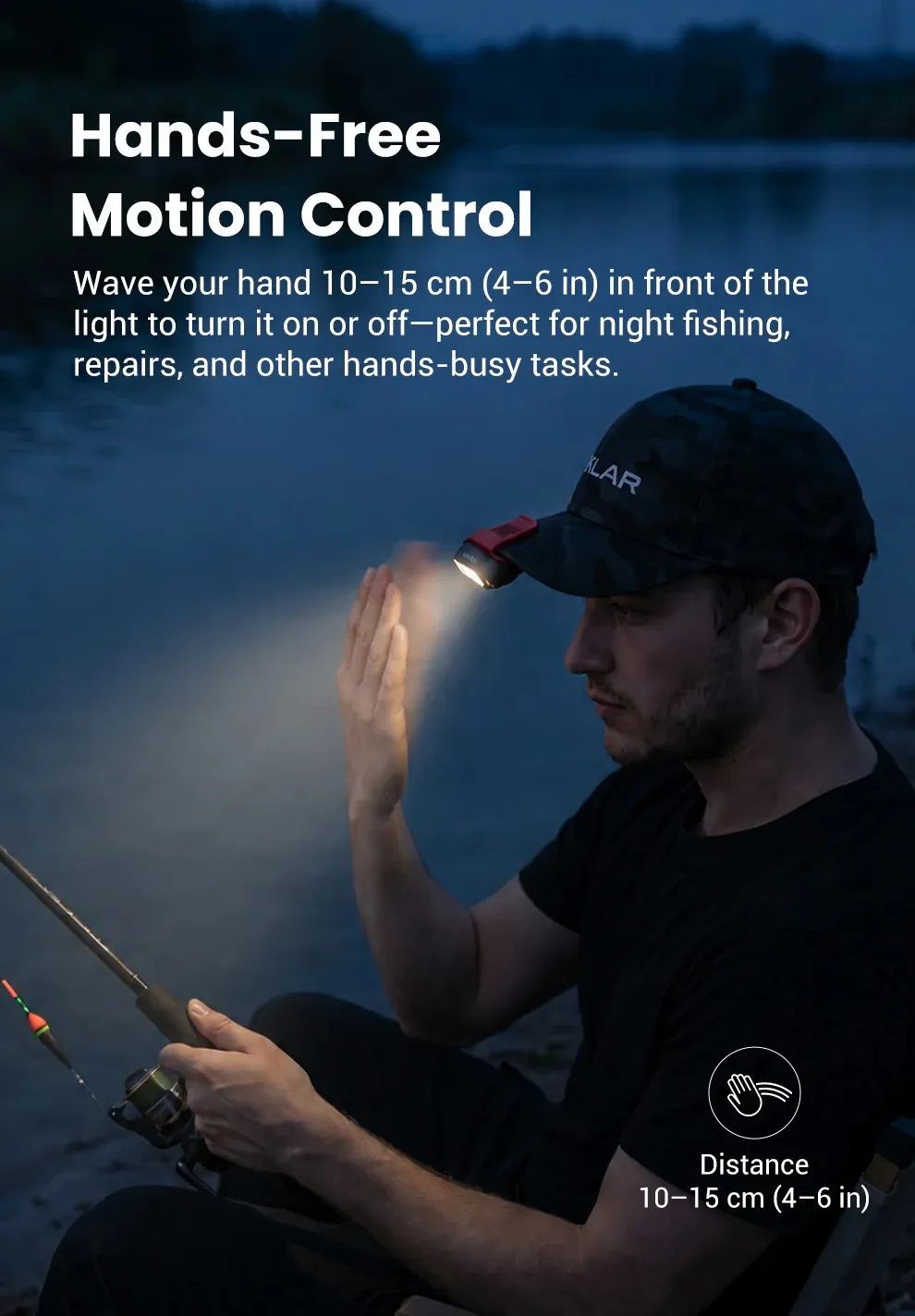
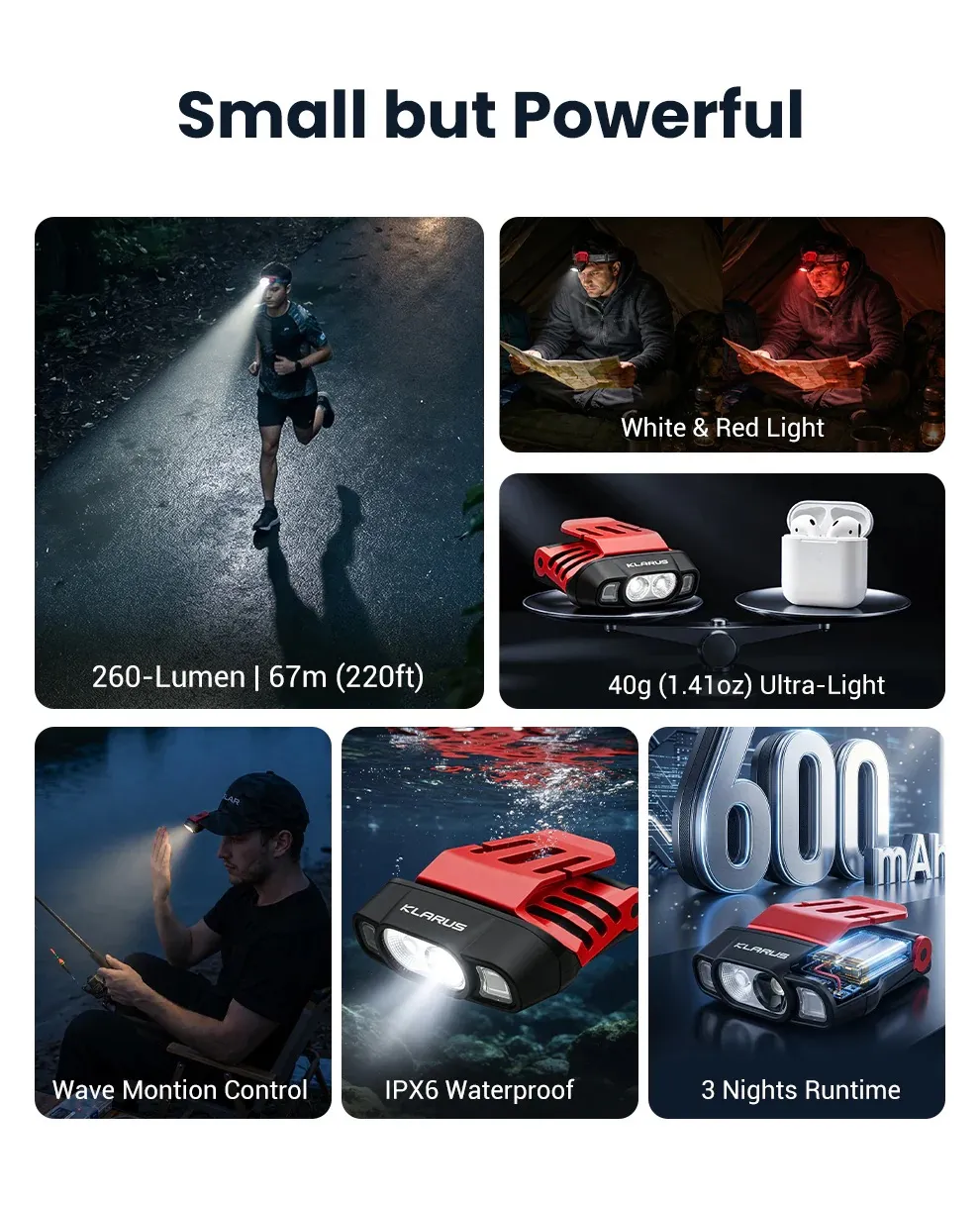
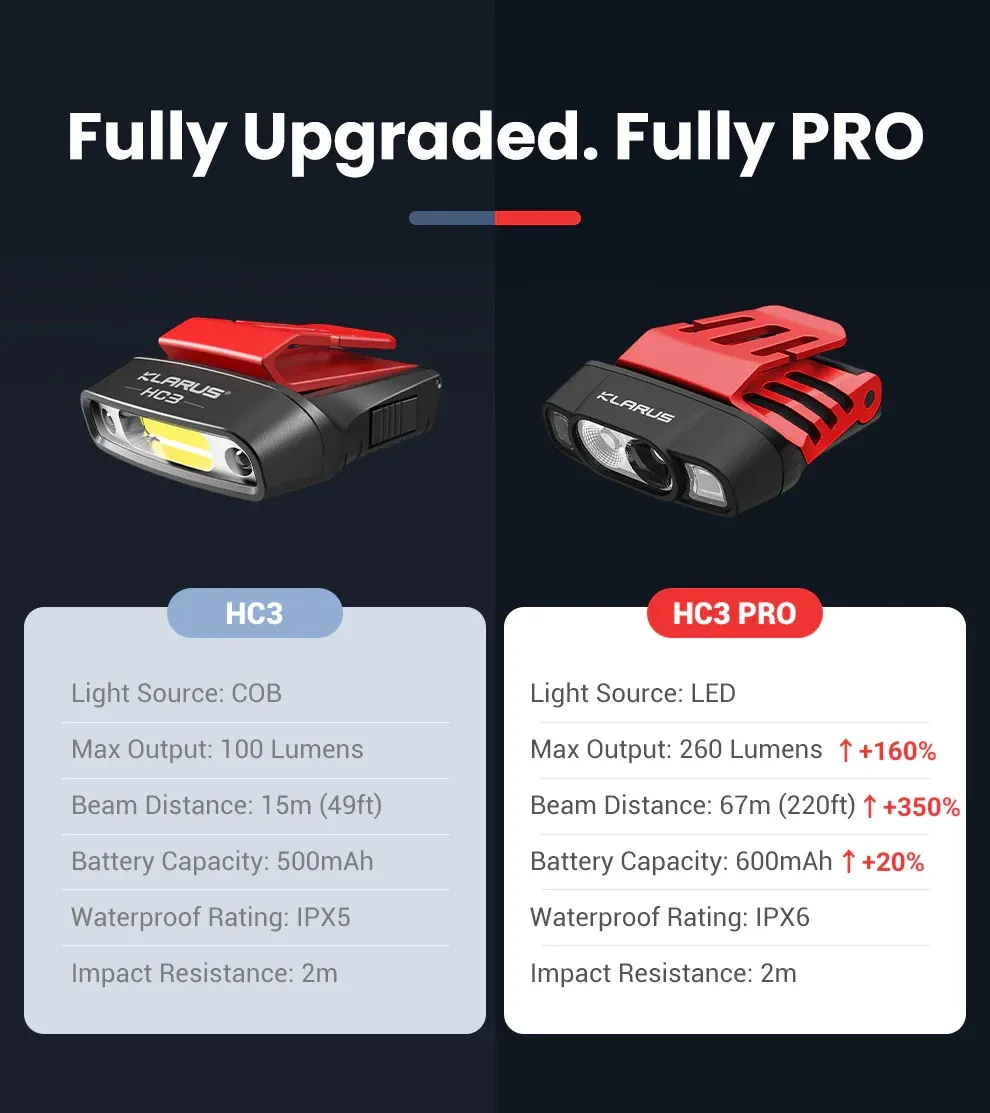
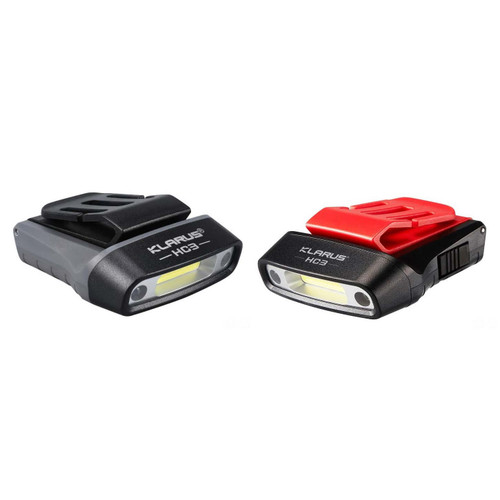
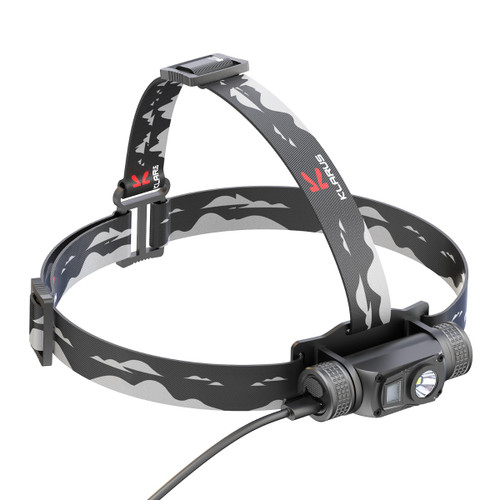
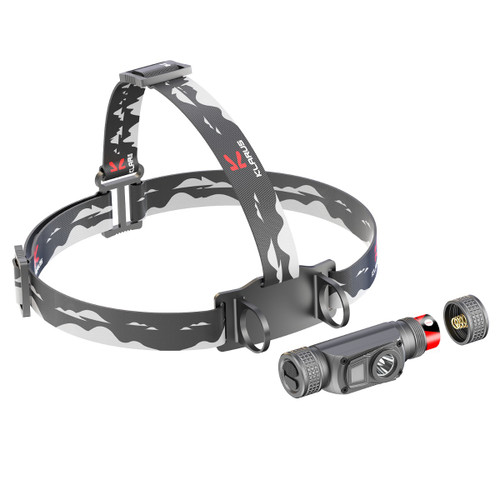
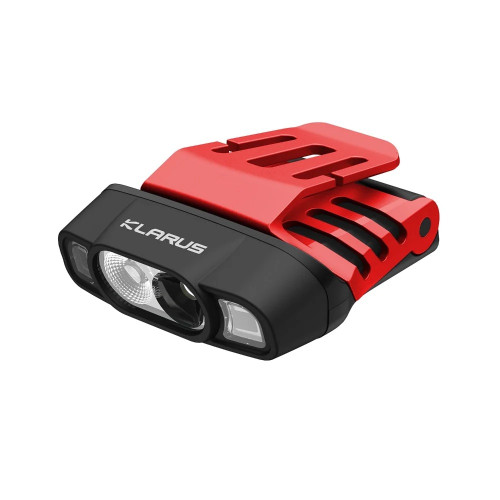
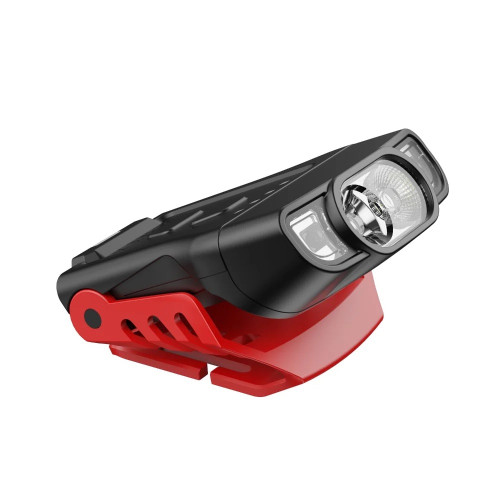
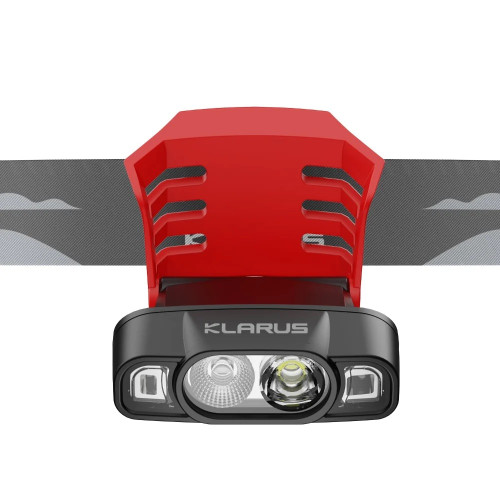
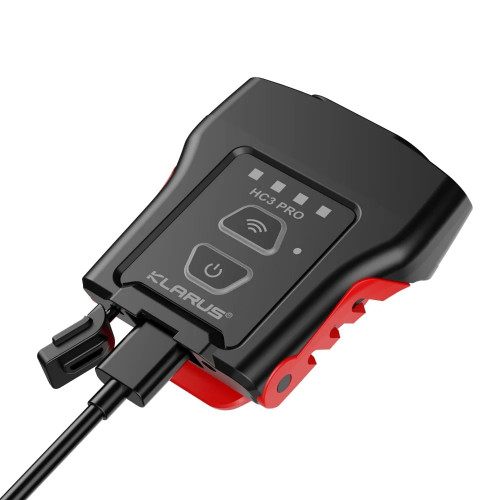
The Klarus HC3 Pro is a lightweight, multi-purpose torch designed for versatile hands-free illumination. It delivers up to 260 lumens with a beam distance of 67 metres, and features a built-in motion sensor for convenient activation with a simple hand wave. Powered by a built-in 600mAh rechargeable lithium-ion battery, the torch recharges via USB Type-C in approximately 2 hours. It features a 5700K cool white LED for primary illumination, complemented by a red light source offering both steady and flashing modes for night vision preservation and emergency signalling. The torch provides multiple white light levels, with runtime extending up to 36.5 hours on its lowest setting. It has a peak beam intensity of 1132 candela. An IPX6 ingress protection rating and 2m impact resistance ensure durability, while a top-mounted switch provides simple operation.
Features
- Motion Sensor Activation: Activate or deactivate the light with a simple wave of your hand, ideal for use with gloves or dirty hands.
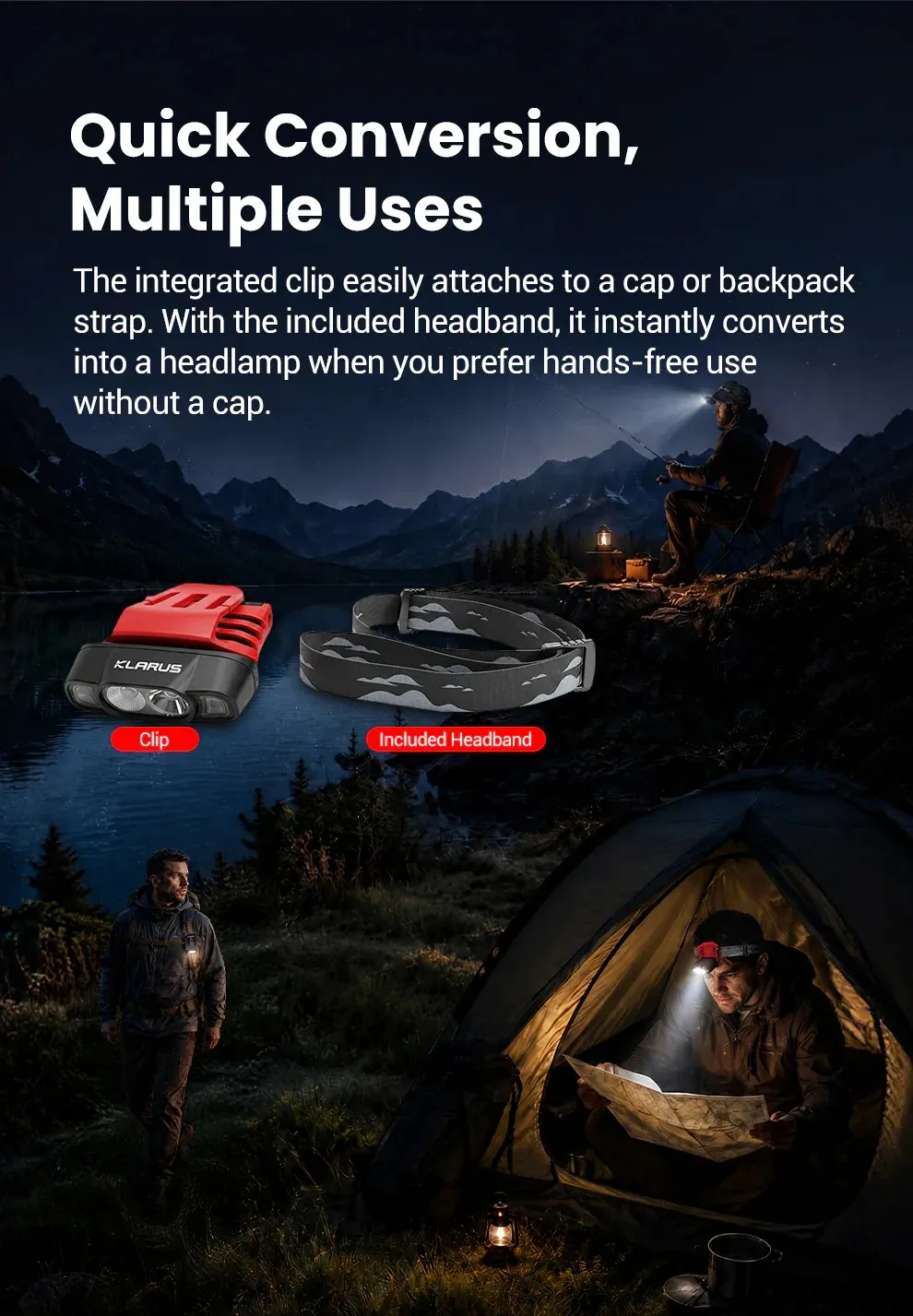
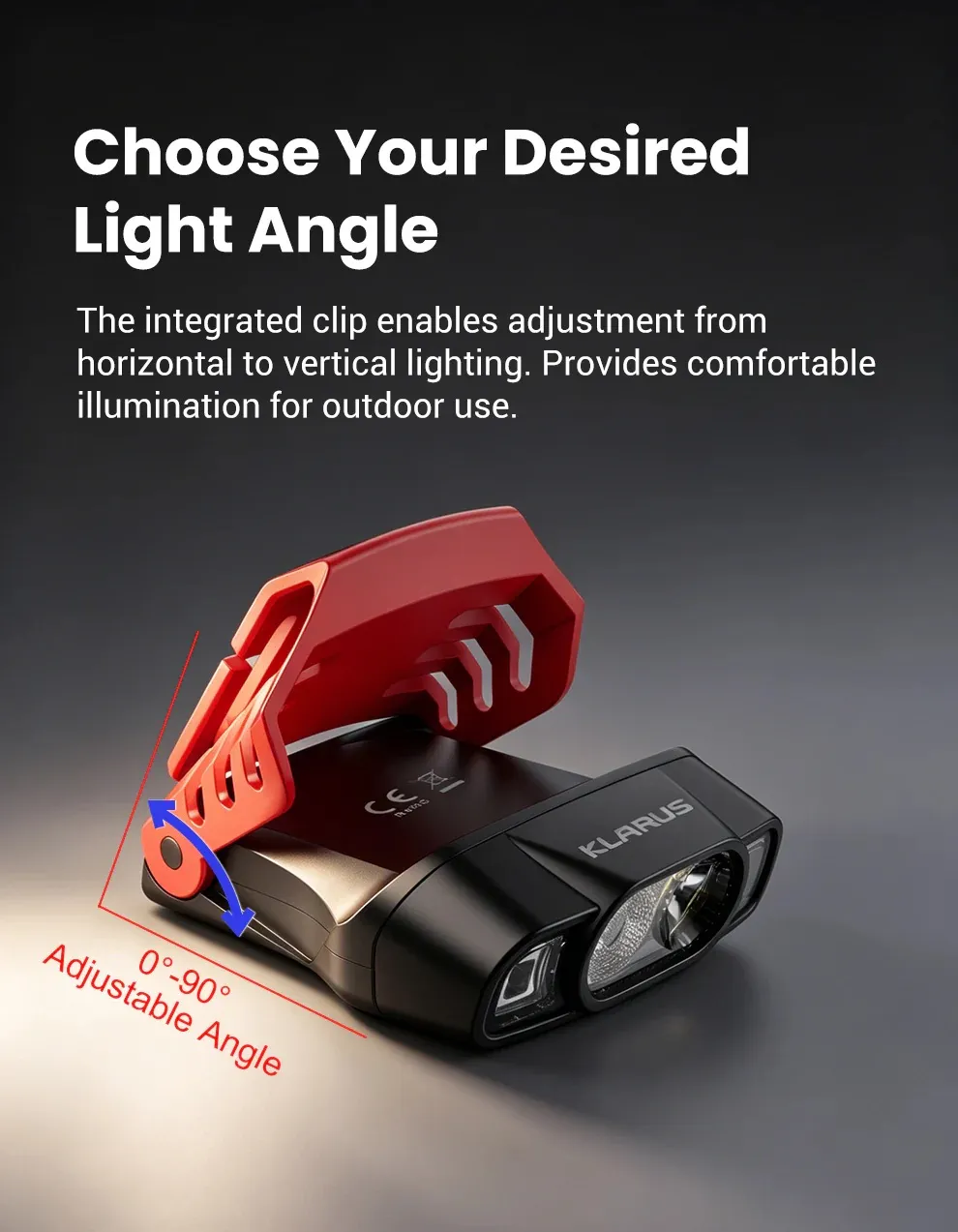
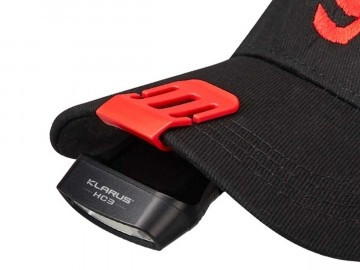
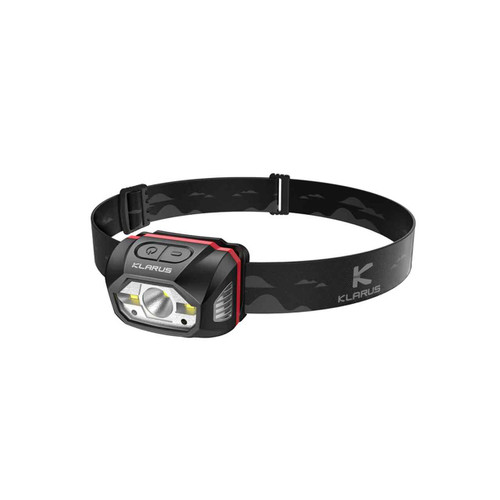
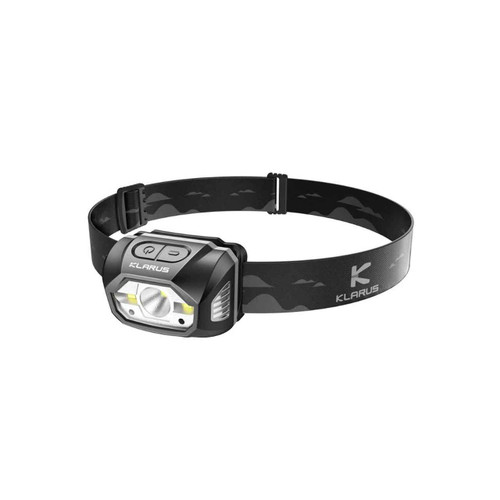
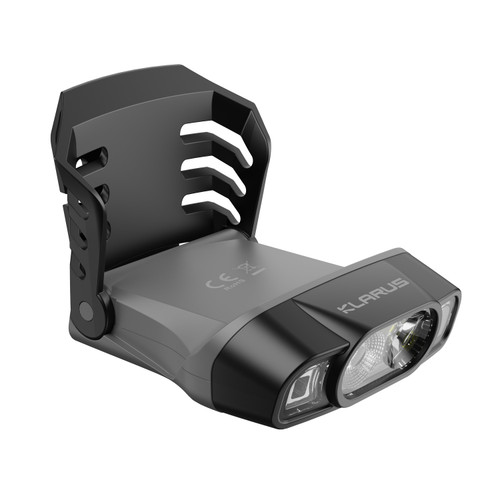
- Versatile Clip-On Design: Wear as a headlamp with the included headband or clip onto caps, backpacks, clothing, or other gear for hands-free illumination.
- USB-C Rechargeable: Features a built-in 600mAh lithium polymer battery that recharges in approximately 2 hours via USB-C.
- Dual Light Modes: Offers multiple white light levels for general illumination and steady or flashing red light modes for night vision preservation and emergency signalling.
Package Includes
- 1 x Klarus HC3 Pro
- 1 x USB Charging Cable (USB-A to USB-C)
- 1 x Headband
- 1 x User Manual
Key Information
ANSI/PLATO FL1 Specifications
Dimensions
Additional Data
*Data based on KLARUS laboratory testing. Actual performance may vary.
Performance and Runtime Disclaimer
How to read the data: The outputs provided above are maximum outputs for each mode, and the runtimes provided are the time it takes to drop to 10% of the initial output. This is in line with the International Flashlight Testing Standard ANSI FL1.
Any visual representations (graphs) of the data are approximate only.
Read more