

Description
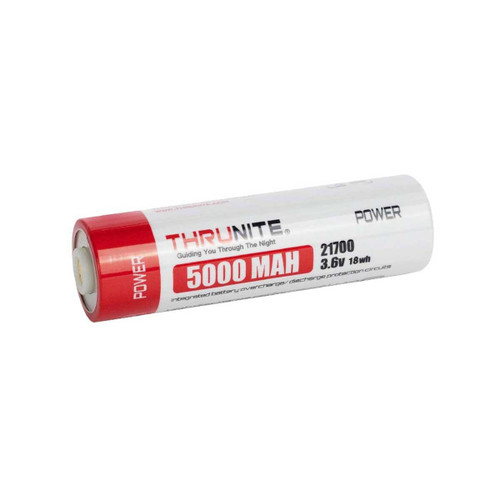
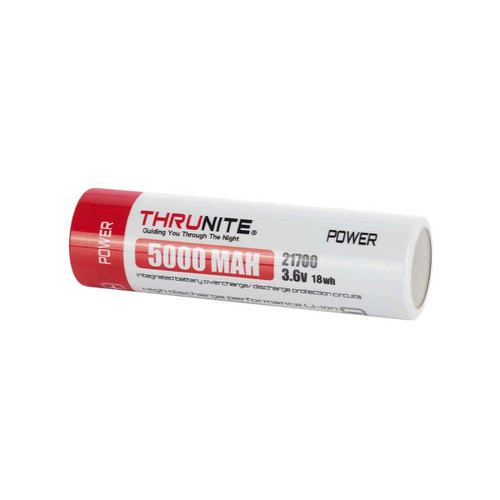
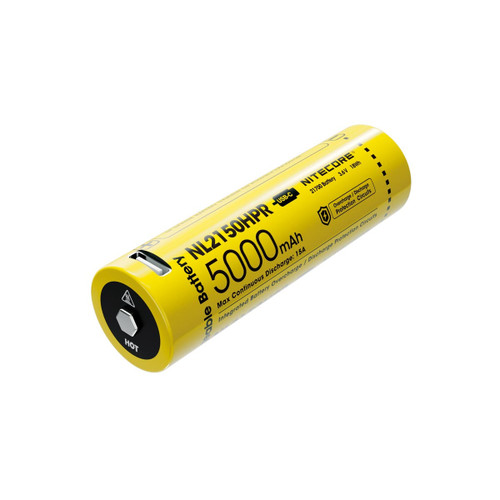
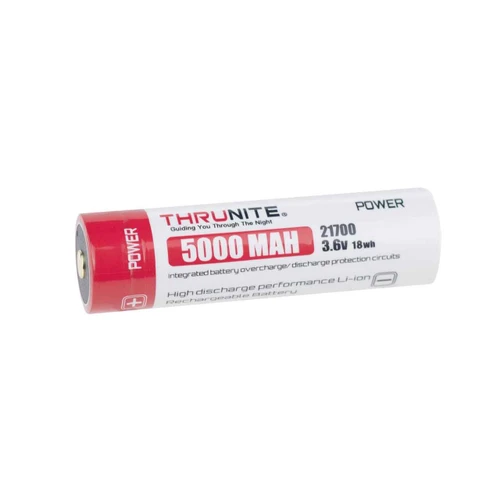
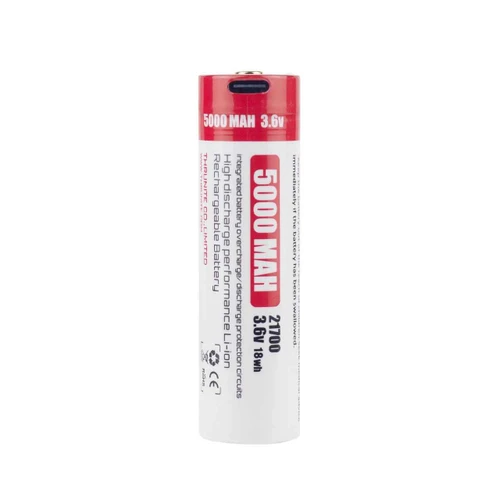
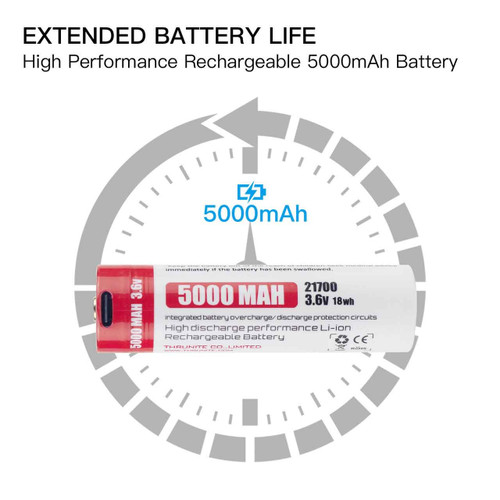
The ThruNite 21700 USB-C 5000mAh is a high-capacity, rechargeable Li-ion battery with a built-in USB-C charging port, specially designed for high-drain devices such as tactical flashlights and EDC gear.
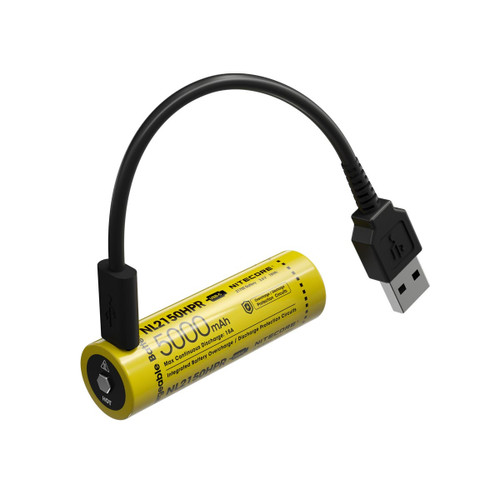
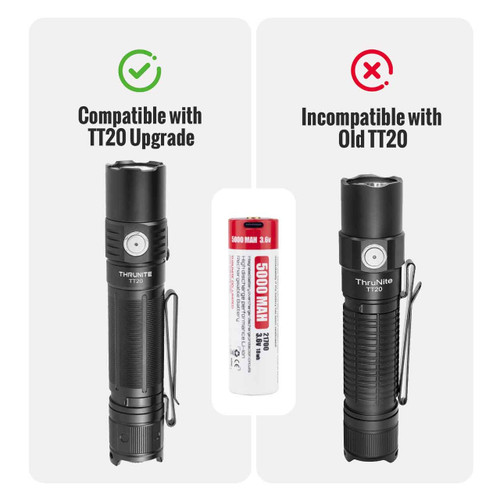
USB-C charging cable not included. Not compatible with chargers designed only for unprotected batteries. Always use compatible chargers or flashlight-integrated charging to ensure safe use.
Features
- Integrated Protection Circuit: Built-in over-charge and over-discharge protection circuits maximise battery performance and longevity.
- Impact-Resistant Design: A unique structural stainless steel shell design offers enhanced impact resistance.
- High Discharge Current: A continuous discharge current of 15A makes it suitable for high-drain flashlights.
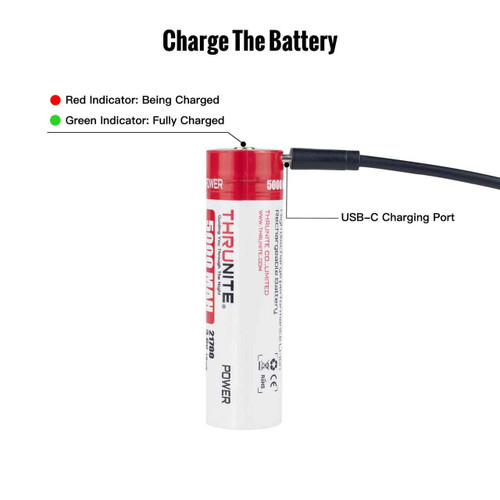
- Flexible Charging: The battery can be charged inside a compatible flashlight or directly via a USB-C cable using a standard phone charger.
Package Includes
- 1 x ThruNite 5000mAh High-capacity USB-C Rechargeable 21700 Li-ion Battery
Key Information
Dimensions
Lithium-ion Battery warning: All Li-ion batteries have a risk of fire and/or explosion. Handle batteries with care, ensuring not to overcharge or over discharge, even if the battery contains a protection circuit. If battery is visibly damaged, stop use immediately and dispose of appropriately (Li-ion batteries pose a serious fire risk if thrown into household waste). If a battery is not to be used for over two weeks, store partially charged (30-50%) for maximum capacity retention.